

As a supplier of Efficient Static Eliminators, I often get asked about the minimum distance for these devices to work effectively. It's a crucial question, especially for those in industries where static electricity can cause all sorts of problems, from product damage to safety hazards.
Let's start by understanding how static eliminators work. Static eliminators are designed to neutralize static charges on surfaces. They do this by generating ions, which are attracted to the static charges on the object. When the ions come into contact with the static charges, they neutralize them, reducing or eliminating the static electricity.
The minimum distance for an Efficient Static Eliminator to work effectively depends on several factors. One of the most important factors is the type of static eliminator. There are different types of static eliminators, such as ionizing bars, ionizing blowers, and ionizing guns. Each type has its own optimal working distance.
Ionizing bars are commonly used in industrial applications. They are typically installed above or beside the conveyor belt or the surface where static needs to be eliminated. The optimal distance for an ionizing bar to work effectively is usually between 2 to 6 inches (5 to 15 cm) from the surface. This distance allows the ions generated by the bar to reach the static charges on the surface quickly and efficiently.
Ionizing blowers, on the other hand, are used when a larger area needs to be covered. They work by blowing ionized air onto the surface. The minimum distance for an ionizing blower to work effectively is usually around 6 to 12 inches (15 to 30 cm) from the surface. This distance ensures that the ionized air can reach the surface and neutralize the static charges.
Ionizing guns are handheld devices that are used for spot cleaning or for areas that are difficult to reach. The optimal distance for an ionizing gun to work effectively is usually between 4 to 8 inches (10 to 20 cm) from the surface. This distance allows the user to control the flow of ions and target specific areas.
Another factor that affects the minimum distance for a static eliminator to work effectively is the strength of the static charge. If the static charge is very strong, the static eliminator may need to be placed closer to the surface to neutralize the charge. On the other hand, if the static charge is relatively weak, the static eliminator can be placed further away.
The environment also plays a role in determining the minimum distance. In a clean and dry environment, the static eliminator may work effectively at a greater distance. However, in a dirty or humid environment, the ions may be absorbed or dispersed more quickly, so the static eliminator may need to be placed closer to the surface.
It's important to note that these are just general guidelines. The actual minimum distance for an Efficient Static Eliminator to work effectively may vary depending on the specific model and the application. It's always a good idea to consult the manufacturer's instructions or to conduct some tests to determine the optimal distance for your particular situation.
At our company, we offer a wide range of Efficient Static Eliminators that are designed to meet the needs of different industries. Our products are known for their high performance and reliability. We also provide excellent customer support to help our customers choose the right static eliminator and to ensure that it is installed and used correctly.
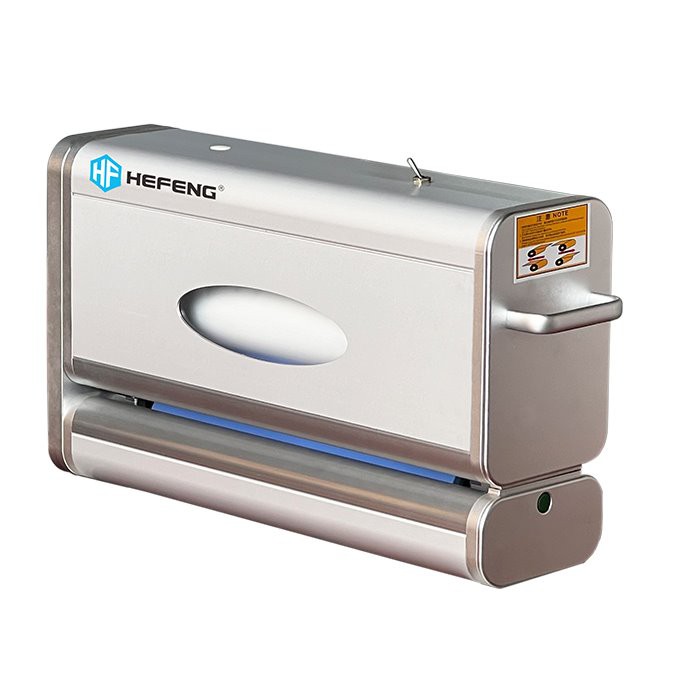
If you're in the market for a static eliminator, you may also be interested in our Extended Wide-Width Web Cleaner and Web Cleaning Machine. These products are designed to work in conjunction with static eliminators to provide a comprehensive solution for static control and web cleaning.
If you have any questions or would like to discuss your specific needs, please don't hesitate to contact us. We're here to help you find the best solution for your static control problems. Whether you're in the printing, packaging, electronics, or any other industry, we have the expertise and the products to meet your requirements.

In conclusion, the minimum distance for an Efficient Static Eliminator to work effectively depends on several factors, including the type of static eliminator, the strength of the static charge, and the environment. By understanding these factors and following the manufacturer's instructions, you can ensure that your static eliminator is working at its best. And if you need any assistance, we're just a call or an email away.
References:
- Various industry publications on static control and electrostatic technology.
- Manufacturer's documentation for our Efficient Static Eliminators.