

Can Workstation Static Eliminators Be Used in a Metal - Processing Workshop?
As a supplier of workstation static eliminators, I often get asked whether our products can be effectively used in a metal - processing workshop. This is a valid question, considering the unique environment and requirements of such workshops. In this blog, I will delve into the feasibility and benefits of using workstation static eliminators in metal - processing settings.
The Problem of Static Electricity in Metal - Processing Workshops
Metal - processing workshops are filled with various operations such as cutting, grinding, and welding. These processes generate a significant amount of static electricity. Static electricity can cause a multitude of problems in these workshops. For instance, it can attract dust and debris to the metal surfaces, which can then affect the quality of the finished products. In precision metal - processing, even a small amount of dust can lead to defects, reducing the overall quality and value of the metal parts.
Moreover, static electricity can also pose a safety risk. In a metal - processing environment, there are often flammable substances such as lubricants and coolants. Static discharges can potentially ignite these substances, leading to fires or explosions. This is a serious concern that needs to be addressed to ensure the safety of the workers and the smooth operation of the workshop.
How Workstation Static Eliminators Work
Workstation static eliminators are designed to neutralize static charges in the surrounding environment. They work by emitting ions, which are electrically charged particles. These ions are attracted to the static charges on the metal surfaces and other objects in the workshop. Once they come into contact with the static charges, they neutralize them, effectively reducing or eliminating the static electricity.
There are different types of workstation static eliminators available on the market. Some use corona discharge technology, where high - voltage electrodes are used to generate ions. Others use radioactive sources to produce ions. The choice of the static eliminator depends on the specific requirements of the metal - processing workshop, such as the size of the area, the level of static electricity, and the type of operations being carried out.
Feasibility of Using Workstation Static Eliminators in Metal - Processing Workshops
The answer is a resounding yes. Workstation static eliminators can be effectively used in metal - processing workshops. Firstly, they can help improve the quality of the metal products. By eliminating static electricity, the amount of dust and debris attracted to the metal surfaces is significantly reduced. This leads to cleaner and more precise metal parts, which are more likely to meet the high - quality standards required in the industry.
Secondly, workstation static eliminators enhance safety in the workshop. By neutralizing static charges, the risk of static - induced fires and explosions is greatly reduced. This provides a safer working environment for the employees and protects the valuable equipment and materials in the workshop.

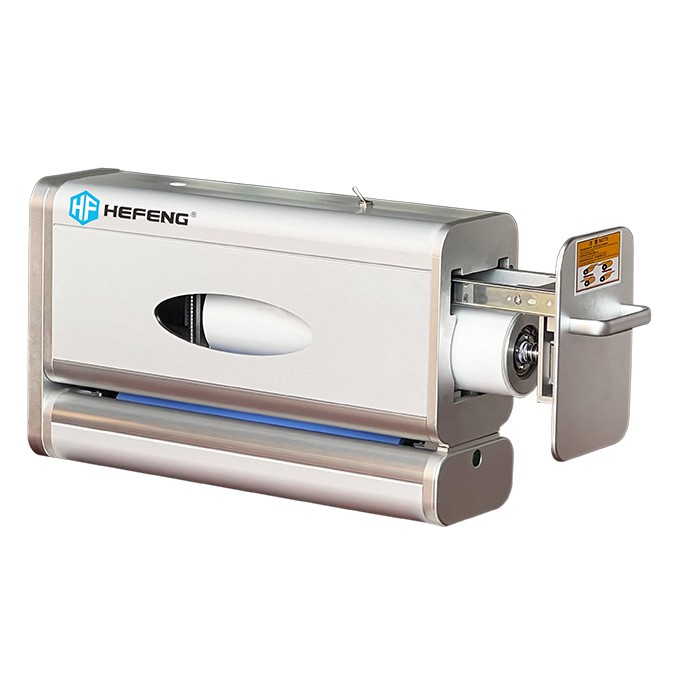
However, there are some considerations when using workstation static eliminators in metal - processing workshops. For example, the static eliminators need to be properly installed and maintained. They should be placed in strategic locations where static electricity is most likely to build up, such as near cutting and grinding machines. Regular maintenance is also necessary to ensure that the static eliminators are functioning properly.
Benefits of Using Workstation Static Eliminators
In addition to improving product quality and safety, there are other benefits of using workstation static eliminators in metal - processing workshops. One of the key benefits is increased productivity. When static electricity is eliminated, the machines can operate more smoothly, and there are fewer interruptions due to dust - related issues. This leads to higher production rates and lower downtime.
Another benefit is cost - savings. By reducing the number of defective products, the workshop can save on materials and labor costs. Additionally, the risk of damage to the equipment due to static discharges is reduced, which can save on repair and replacement costs in the long run.
Complementary Equipment for Metal - Processing Workshops
In addition to workstation static eliminators, there are other pieces of equipment that can be used in metal - processing workshops to further improve the working environment. For example, the Extended Wide - Width Web Cleaner can be used to clean the metal surfaces more effectively. It can remove dust, dirt, and other contaminants from the metal, ensuring a clean and smooth surface.
The Web Cleaning Machine is another useful tool. It can be used to clean the web - like metal materials, such as sheets and strips. This machine can help improve the quality of the metal products by removing any impurities on the surface.
Conclusion
In conclusion, workstation static eliminators can be effectively used in metal - processing workshops. They offer numerous benefits, including improved product quality, enhanced safety, increased productivity, and cost - savings. When combined with other complementary equipment such as the Extended Wide - Width Web Cleaner and the Web Cleaning Machine, they can create a more efficient and safe working environment in the metal - processing workshop.
If you are interested in learning more about our workstation static eliminators or other related products, we invite you to contact us for a procurement discussion. Our team of experts will be happy to assist you in finding the best solutions for your metal - processing workshop.
References
- Electrostatic Discharge Association (ESDA). (2023). Standards and guidelines for electrostatic control in industrial environments.
- Metal Processing Handbook. (2022). A comprehensive guide to metal - processing operations and safety.