

As a seasoned supplier of Workstation Static Eliminators, I've encountered numerous inquiries regarding the noise level of these essential pieces of equipment. In the industrial and manufacturing sectors, where workstation static eliminators are widely used, understanding their noise characteristics is crucial for both the comfort of operators and the overall efficiency of the workspace.
The Significance of Noise Level in Workstation Static Eliminators
In any workplace, excessive noise can lead to a variety of issues. For workers, it can cause fatigue, stress, and even long - term hearing damage. In a production environment, high - noise levels can also interfere with communication between employees, leading to potential errors and safety hazards. Therefore, when it comes to workstation static eliminators, a low noise level is highly desirable.
Workstation static eliminators play a vital role in preventing static electricity from damaging sensitive electronic components or causing dust attraction. However, if they generate too much noise during operation, it undermines their value. Operators may find it difficult to concentrate on their tasks, which can lead to decreased productivity. Moreover, in some workplaces, strict noise regulations must be adhered to. Non - compliance can result in fines and legal issues.
Factors Affecting the Noise Level of Workstation Static Eliminators
1. Airflow Mechanism
Many workstation static eliminators use air to disperse ions effectively. The fans or blowers responsible for creating the airflow are a major source of noise. High - speed fans generally produce more noise than low - speed ones. The design of the fan blades and the housing also affects the noise level. A well - designed fan with aerodynamically shaped blades can reduce turbulence and thus lower the noise. For example, some of our advanced models are equipped with specially engineered fans that operate quietly while still providing sufficient airflow to disperse ions.
2. Electrical Components
The electrical components within the static eliminator, such as transformers and power supplies, can generate noise. The buzzing or humming sound can be a result of electromagnetic interference or the vibration of the components. High - quality electrical components are less likely to produce excessive noise. At our company, we source the finest electrical parts for our workstation static eliminators to minimize this kind of noise.
3. Build Quality
The overall build quality of the static eliminator has a significant impact on noise. A poorly constructed unit may have loose parts that rattle during operation, adding to the noise level. In contrast, a well - built static eliminator with tight tolerances and sturdy construction will be quieter. Our products are manufactured with precision, using high - grade materials to ensure a solid and quiet operation.
Measuring the Noise Level of Workstation Static Eliminators
The noise level of workstation static eliminators is typically measured in decibels (dB). A decibel is a logarithmic unit that expresses the ratio of a physical quantity (in this case, sound pressure) relative to a reference level. In a typical industrial setting, background noise levels can range from 60 dB to 80 dB. A workstation static eliminator should ideally operate at a noise level that does not significantly increase the overall noise in the workspace.
Most manufacturers provide the noise level specifications for their products. When choosing a workstation static eliminator, it's important to compare the dB ratings of different models. A lower dB value indicates a quieter operation. However, it's also essential to consider the context in which the static eliminator will be used. For example, in a quiet laboratory environment, a static eliminator with a noise level below 50 dB may be required, while in a noisy factory floor, a slightly higher noise level may be acceptable.
Our Company's Approach to Noise Reduction in Workstation Static Eliminators
As a leading supplier of Workstation Static Eliminators, we are committed to providing products with low noise levels. We invest heavily in research and development to improve the design of our static eliminators. Our engineers work on optimizing the airflow mechanism to reduce fan noise. By using advanced computational fluid dynamics (CFD) simulations, we can design fan blades that minimize turbulence and noise generation.
In terms of electrical components, we work with trusted suppliers to source high - quality transformers and power supplies. These components are carefully selected for their low noise emissions. Additionally, our manufacturing processes ensure that all components are properly installed and secured to prevent any rattling or vibration.
We also offer a range of different models to suit various applications and noise requirements. Whether it's a cleanroom environment with strict noise regulations or a general manufacturing floor, we have a static eliminator that can meet the needs of our customers while maintaining a low noise level.
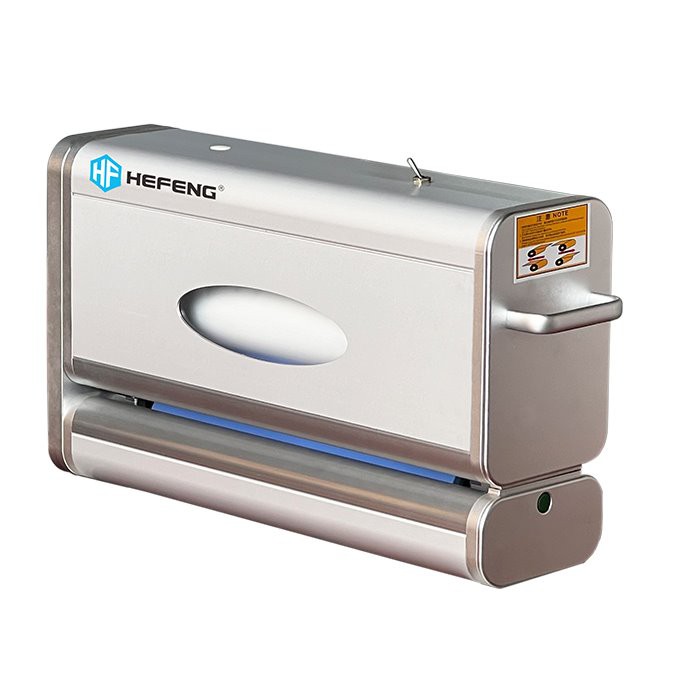
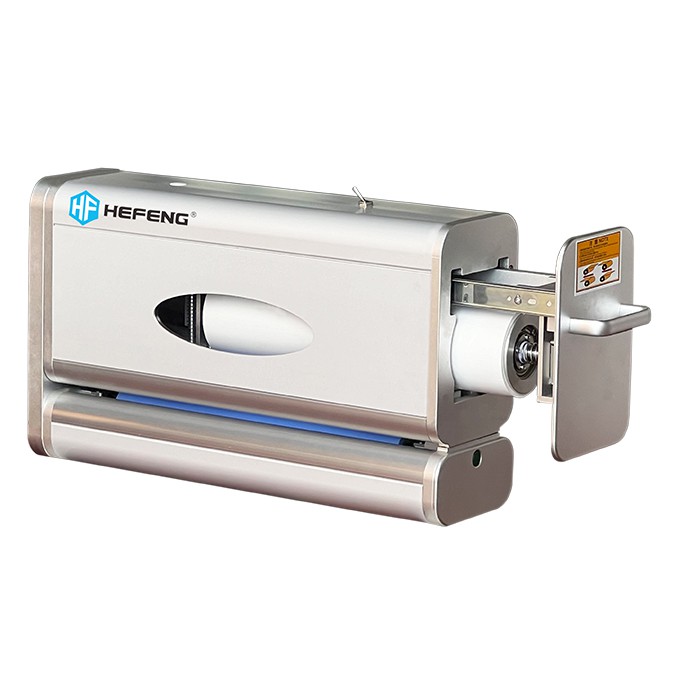
Related Products and Their Noise Considerations
In addition to workstation static eliminators, we also offer other related products such as the Extended Wide - Width Web Cleaner and the Web Cleaning Machine. These products are often used in conjunction with static eliminators to provide a comprehensive solution for cleaning and static control in web - handling applications.
Similar to workstation static eliminators, the noise level of these web - cleaning products is an important consideration. The motors and mechanical components used in the web cleaners can generate noise. However, like our static eliminators, we have designed these products with noise reduction in mind. Our web - cleaning machines are equipped with quiet - running motors and well - engineered mechanical parts to ensure a low - noise operation.
Conclusion and Call to Action
In conclusion, the noise level of workstation static eliminators is a crucial factor that should not be overlooked. A low - noise static eliminator can improve the working environment, enhance productivity, and ensure compliance with noise regulations. At our company, we take great pride in offering high - quality workstation static eliminators and related products with low noise levels.
If you are in the market for workstation static eliminators, web - cleaning equipment, or have any questions about noise levels or other product features, we encourage you to contact us for a detailed discussion. Our team of experts is ready to assist you in finding the best solution for your specific needs. Let's work together to create a quiet, efficient, and static - free workspace.
References
- "Industrial Noise Control and Acoustics" by Clarence W. deSilva
- "Handbook of Noise Measurement" by GenRad Inc.