

In modern laboratory environments, the issue of static electricity is a significant concern. Static electricity can cause a multitude of problems, from interfering with sensitive electronic equipment to attracting dust and contaminants, which can compromise the accuracy of experiments. As a supplier of Workstation Static Eliminators, I am often asked whether our products can be used in a laboratory setting. In this blog post, I will explore the feasibility and benefits of using workstation static eliminators in laboratories.
The Problem of Static Electricity in Laboratories
Laboratories are filled with a wide range of equipment and materials that are sensitive to static electricity. For example, electronic devices such as microscopes, spectrometers, and data acquisition systems can be easily damaged by electrostatic discharges (ESDs). ESDs can cause malfunctions, data loss, and even permanent damage to these expensive pieces of equipment.
Moreover, static electricity can attract dust and other particulate matter, which can contaminate samples and experimental setups. In cleanroom environments, where strict control of contaminants is essential, static electricity can be a major obstacle to maintaining the required level of cleanliness.
How Workstation Static Eliminators Work
Workstation static eliminators are designed to neutralize static charges on surfaces and in the air. They work by generating a stream of ions, which are attracted to the static charges on objects. When the ions come into contact with the static charges, they neutralize them, effectively eliminating the static electricity.
There are two main types of workstation static eliminators: ionizing bars and ionizing blowers. Ionizing bars are typically mounted above the workstation and emit a continuous stream of ions. They are suitable for static elimination on large surfaces and in areas where a constant flow of ions is required. Ionizing blowers, on the other hand, use a fan to blow the ions onto the target surface. They are more effective for static elimination on smaller objects and in areas where a concentrated stream of ions is needed.
Benefits of Using Workstation Static Eliminators in Laboratories
Protecting Sensitive Equipment
One of the primary benefits of using workstation static eliminators in laboratories is the protection of sensitive equipment. By neutralizing static charges, these devices can prevent ESDs from occurring, which can significantly reduce the risk of equipment damage. This not only saves money on equipment repairs and replacements but also ensures the reliability and accuracy of experimental results.

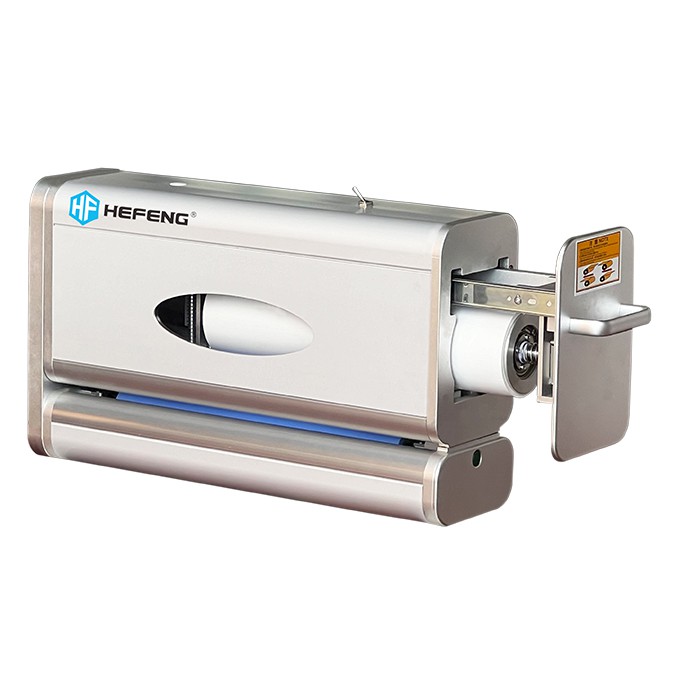
Maintaining Cleanliness
As mentioned earlier, static electricity can attract dust and other contaminants. By eliminating static charges, workstation static eliminators can help to keep the laboratory environment clean. This is particularly important in cleanroom laboratories, where even the smallest amount of contamination can have a significant impact on experimental results.
Improving Experiment Accuracy
Static electricity can also interfere with the accuracy of experiments. For example, in experiments involving the measurement of electrical properties, static charges can cause errors in the readings. By using workstation static eliminators, these errors can be minimized, leading to more accurate and reliable experimental results.
Considerations for Using Workstation Static Eliminators in Laboratories
While workstation static eliminators can be highly effective in a laboratory setting, there are some considerations that need to be taken into account.
Compatibility with Laboratory Equipment
Before using a workstation static eliminator in a laboratory, it is important to ensure that it is compatible with the laboratory equipment. Some types of equipment may be sensitive to the ions generated by the static eliminator, which could cause interference or damage. It is recommended to consult with the equipment manufacturer or a static control expert to determine the compatibility of the static eliminator with the specific equipment.
Placement and Installation
The placement and installation of the workstation static eliminator are also crucial for its effectiveness. The static eliminator should be placed in a location where it can effectively neutralize the static charges on the target surfaces. It is also important to ensure that the static eliminator is properly installed and maintained to ensure its optimal performance.
Regulatory Compliance
In some laboratories, there may be specific regulations and standards regarding the use of static control devices. It is important to ensure that the workstation static eliminator complies with these regulations and standards. This may involve obtaining the necessary certifications and approvals from relevant regulatory bodies.
Real-World Applications of Workstation Static Eliminators in Laboratories
To illustrate the effectiveness of workstation static eliminators in laboratories, let's consider some real-world applications.
Semiconductor Manufacturing Laboratories
In semiconductor manufacturing laboratories, static electricity can cause significant problems. For example, static charges can attract dust particles to the semiconductor wafers, which can lead to defects in the final products. By using workstation static eliminators, the static charges on the wafers can be neutralized, reducing the risk of contamination and improving the yield of the manufacturing process.
Biotechnology Laboratories
In biotechnology laboratories, static electricity can interfere with the handling of biological samples. For example, static charges can cause the samples to stick to the pipettes or other laboratory equipment, making it difficult to transfer the samples accurately. By using workstation static eliminators, the static charges on the samples and equipment can be eliminated, improving the accuracy and efficiency of the sample handling process.
Related Products for Laboratory Use
In addition to workstation static eliminators, there are other products that can be used in laboratories to control static electricity and maintain a clean environment. For example, the Extended Wide-Width Web Cleaner is a highly effective solution for cleaning wide-width webs in laboratory settings. It uses a combination of mechanical and electrostatic cleaning methods to remove dust and other contaminants from the webs, ensuring a clean and static-free surface.
Another useful product is the Web Cleaning Machine. This machine is designed to clean webs of various widths and materials, using a variety of cleaning methods such as brushing, vacuuming, and ionizing. It can be used in laboratories to clean webs used in experiments or to maintain the cleanliness of the laboratory environment.
Conclusion
In conclusion, workstation static eliminators can be effectively used in a laboratory setting to address the problems caused by static electricity. They offer a range of benefits, including the protection of sensitive equipment, the maintenance of cleanliness, and the improvement of experiment accuracy. However, it is important to consider the compatibility with laboratory equipment, the proper placement and installation, and the regulatory compliance when using these devices.
If you are interested in learning more about our workstation static eliminators or other static control products for laboratory use, please feel free to contact us for a consultation. Our team of experts will be happy to help you find the best solution for your specific needs.
References
- Electrostatic Discharge Association (ESDA). (2023). Technical standards for electrostatic discharge control.
- International Electrotechnical Commission (IEC). (2023). Standards for electrical safety and electromagnetic compatibility.
- National Institute of Standards and Technology (NIST). (2023). Guidelines for static control in laboratory environments.